
Gum Treatment in Hyderabad
Treatment for bleeding gums, gingivitis, periodontitis and advanced gum disease, led by an MDS periodontist.
Signs you may need a gum treatment
Stage 1 - Early Stage
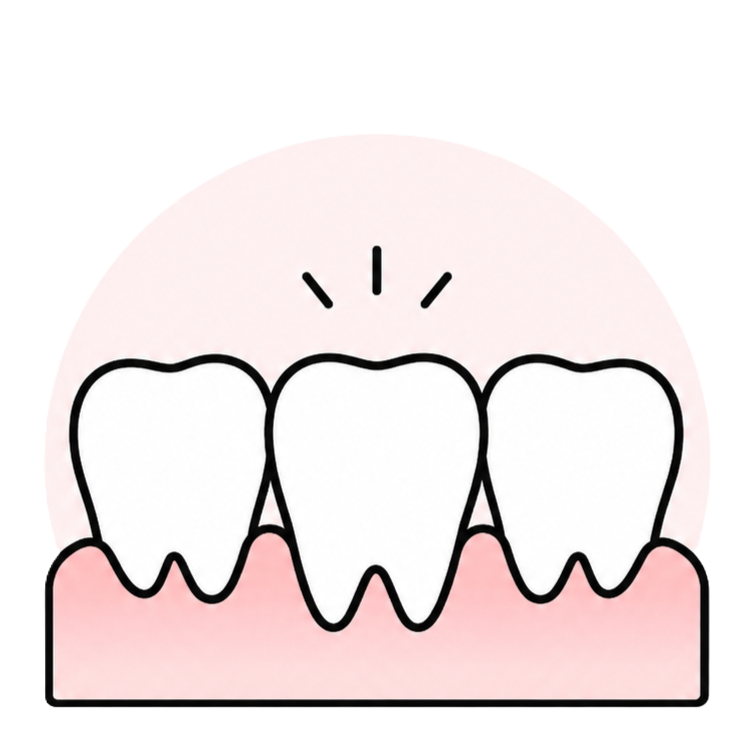
Bleeding when you brush or floss
The earliest sign of gingivitis. The gums are inflamed, but the supporting bone is still healthy. Professional cleaning and good oral hygiene can usually reverse it. Learn about bleeding gums.
Stage 2 - Progressing Stage
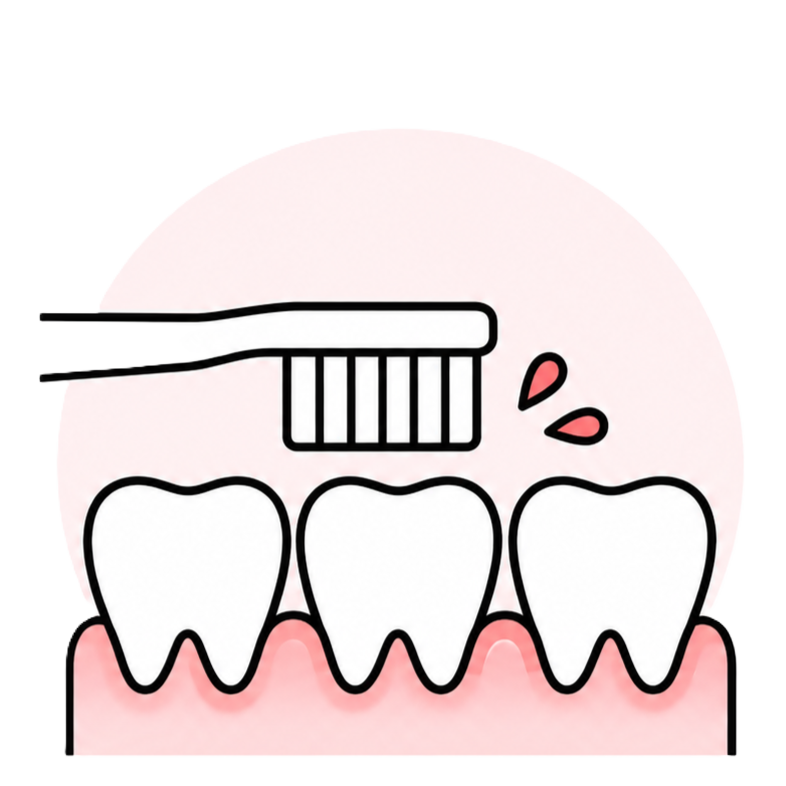
Swollen, tender gums or persistent bad breath
Inflammation has progressed. Professional treatment is usually needed to stop the disease before it reaches the supporting tissues.
Stage 3 - Advanced Stage
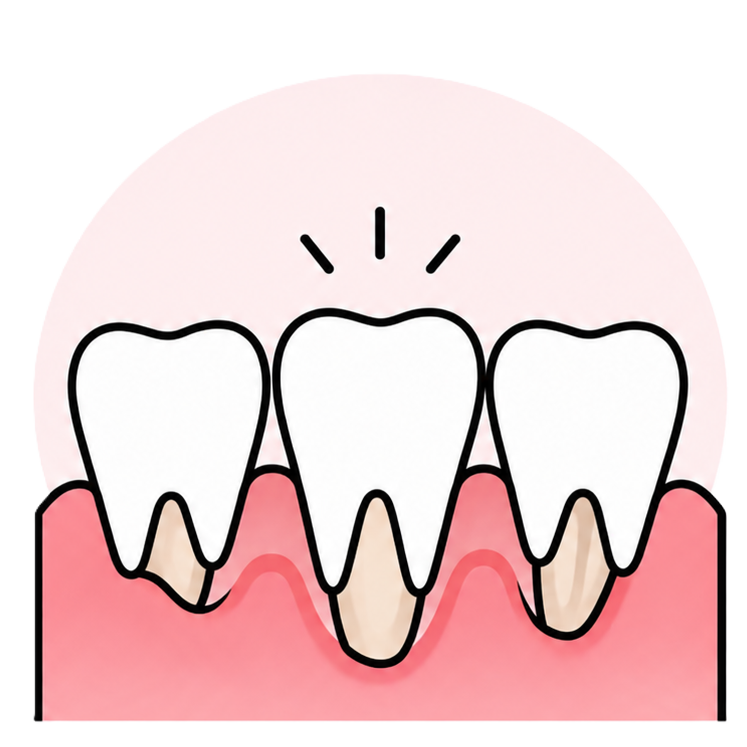
Receding gums or teeth that look longer
Early periodontitis. The gums and supporting bone have started to recede. Treatment focuses on stopping further damage.
Stage 4 - Severe Stage
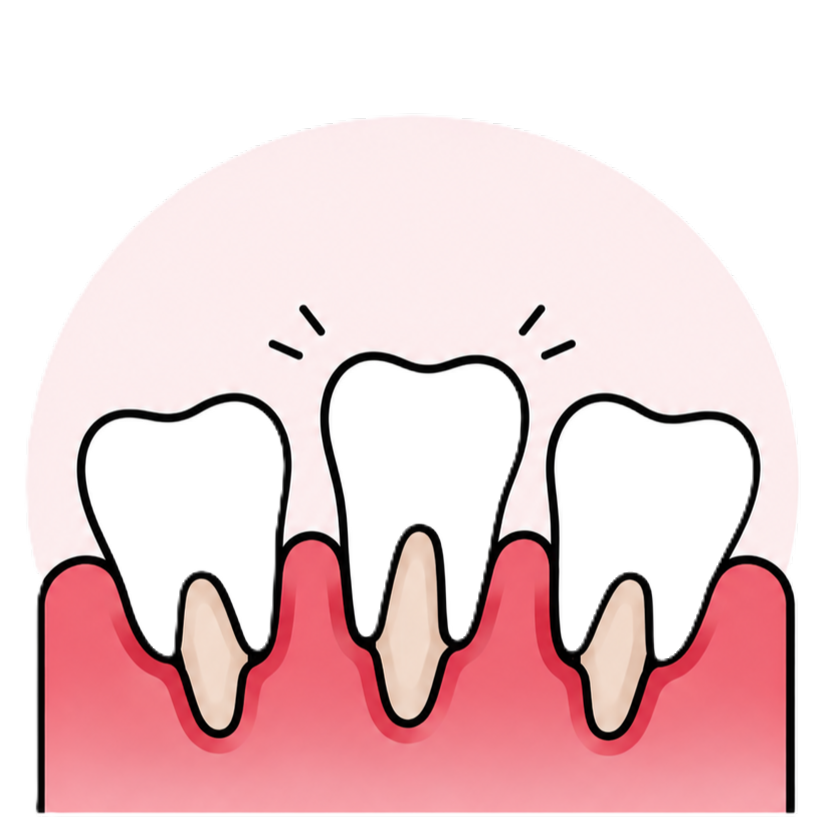
Loose teeth or gaps appearing
Advanced periodontitis. Significant bone loss has occurred, and advanced periodontal treatment is often required to preserve the teeth.
Bleeding gums aren't normal. Think you may have gum disease?
A periodontal examination can identify the stage of gum disease and the most appropriate treatment.
Gum Disease Treatment Options
Professional Cleaning
(Scaling and Polishing)
Suitable for: Stage 1 (Gingivitis)
Professional cleaning removes plaque and tartar from above and just below the gum line, followed by polishing and personalised home care advice. Most early gum disease improves with professional cleaning and good oral hygiene.
Deep Cleaning
(Scaling and Root Planing)
Suitable for: Stage 2 and Early Stage 3
When plaque and tartar extend below the gum line, deep cleaning removes these deposits and smooths the tooth roots to help the gums heal. Treatment is carried out under local anaesthesia and is usually completed over one or two visits.
Gum Infection Management
Suitable for: Active gum infection or abscess
Where infection or swelling is present, treatment may include drainage, targeted antibiotics where appropriate, and professional cleaning to control the underlying cause. This is used alongside periodontal treatment rather than as a replacement for it.
Advanced Periodontal Procedures
When gum disease has progressed beyond what non-surgical treatment can predictably manage, advanced periodontal procedures may be recommended.
- Gum grafting for gum recession
- Crown lengthening for cosmetic or restorative treatment
- Flap surgery to access and clean deep periodontal pockets
- Regenerative procedures (bone grafting and PRF) where bone support can be restored
- Laser periodontal therapy where clinically appropriate
Advanced gum disease can affect the bone supporting the teeth and may eventually lead to tooth loss. If you are considering dental implants, adequate gum and bone health needs to be assessed before dental implant treatment.
What to expect after Gum Disease Treatment?
Gum Treatment & Teeth Scaling cost in Hyderabad
Your final treatment cost depends on the severity of gum disease and the type of periodontal care required. After a detailed examination, Dr. Spandana will explain your diagnosis, discuss the most appropriate treatment, and provide a clear, transparent treatment plan before treatment begins.
Why Choose a Periodontist for Gum Disease Treatment
Periodontics is the dental specialty dedicated to preventing, diagnosing, and treating gum disease and the supporting structures around the teeth. A periodontist has advanced training to assess the health of your gums, bone, and supporting tissues and manage conditions ranging from gingivitis and bleeding gums to periodontitis, gum recession, and bone loss. This specialist evaluation helps identify the extent of disease and plan treatment based on your individual condition, with the least invasive approach appropriate for your long term oral health.
Meet Your Dentist - Dr. Spandana

Dr. Spandana Sripada is one of fewer than 10,000 dentists worldwide to hold an Associate Fellowship from the AAID – American Academy of Implant Dentistry, the global benchmark for implant dentistry credentialing.
Her Training Spans Three Institutions Across Two Continents
- BDS - DY Patil Dental University, Mumbai
- MDS, Periodontology & Implantology - Dr. NTR University of Health Sciences, Hyderabad
- Advanced Educational Program in Implant Dentistry (Full-Time Residency) - DY Patil Dental University, Pune
- AAID Fellow - American Academy of Implant Dentistry, Chicago
Protect your gums before the damage progresses
Book a consultation for a detailed gum health assessment and personalised treatment plan.
Why Choose Dr. Spandana's Dentistry ?
Periodontist Led Care
Treatment planned and guided by Dr. Spandana, a specialist in Periodontology and Implantology.

Slow Dentistry
Unhurried appointments with time for thorough periodontal assessment and personalised care.

Advanced
Technology
Digital imaging and modern periodontal techniques support accurate diagnosis and treatment planning.

Minimal
Intervention
We recommend the least invasive treatment that offers the best long-term outcome.
Long-Term Gum Health
Treatment doesn't end with cleaning - we help you maintain healthy gums through ongoing care and prevention.
FAQs
How Much Does Gum Treatment Cost in Hyderabad?
How Much Does Teeth Scaling Cost?
What Is Scaling and Root Planing?
What Is Pyorrhea and How Is It Treated?
Can Bleeding Gums Be Cured?
Is Gum Treatment Painful?
Can Receding Gums Grow Back?
When Should I Worry About Bleeding Gums?
Bleeding gums are not normal, even if they only occur while brushing or flossing. If the bleeding continues for more than a few days, is accompanied by swelling, bad breath, or gum recession, it’s time to have your gums examined. Early treatment is usually simpler and helps prevent more advanced gum disease.