

Sometimes, you may notice that your teeth look a little crowded, uneven or out of place. You may have teeth that overlap, spaces between them, or front teeth that do not look quite straight. You may also notice that your upper and lower teeth do not meet comfortably when you bite.
• Your teeth look crowded or uneven
• Some teeth overlap or sit out of position
• Your front teeth do not look straight
• There are noticeable spaces between your teeth
• Your upper and lower teeth do not meet comfortably when you bite
• Some areas are difficult to clean properly
What Is Teeth Alignment?
Teeth alignment refers to how straight your teeth are and how well your upper and lower teeth meet (your bite).
When alignment is off, it’s not just a cosmetic issue. Over time, it can affect:
Chewing efficiency
Jaw comfort
Speech
Oral hygiene (crooked teeth trap more plaque)
According to global dental health research, misaligned teeth are linked to a higher risk of cavities and gum disease.
Common Teeth Alignment Problems
- Crooked or overlapping teeth
- Front teeth sticking out
- Gaps between teeth
- Bite issues (overbite, underbite, crossbite)
- Teeth shifting after braces
Among these, crooked or misaligned teeth are the most common and the most relatable.
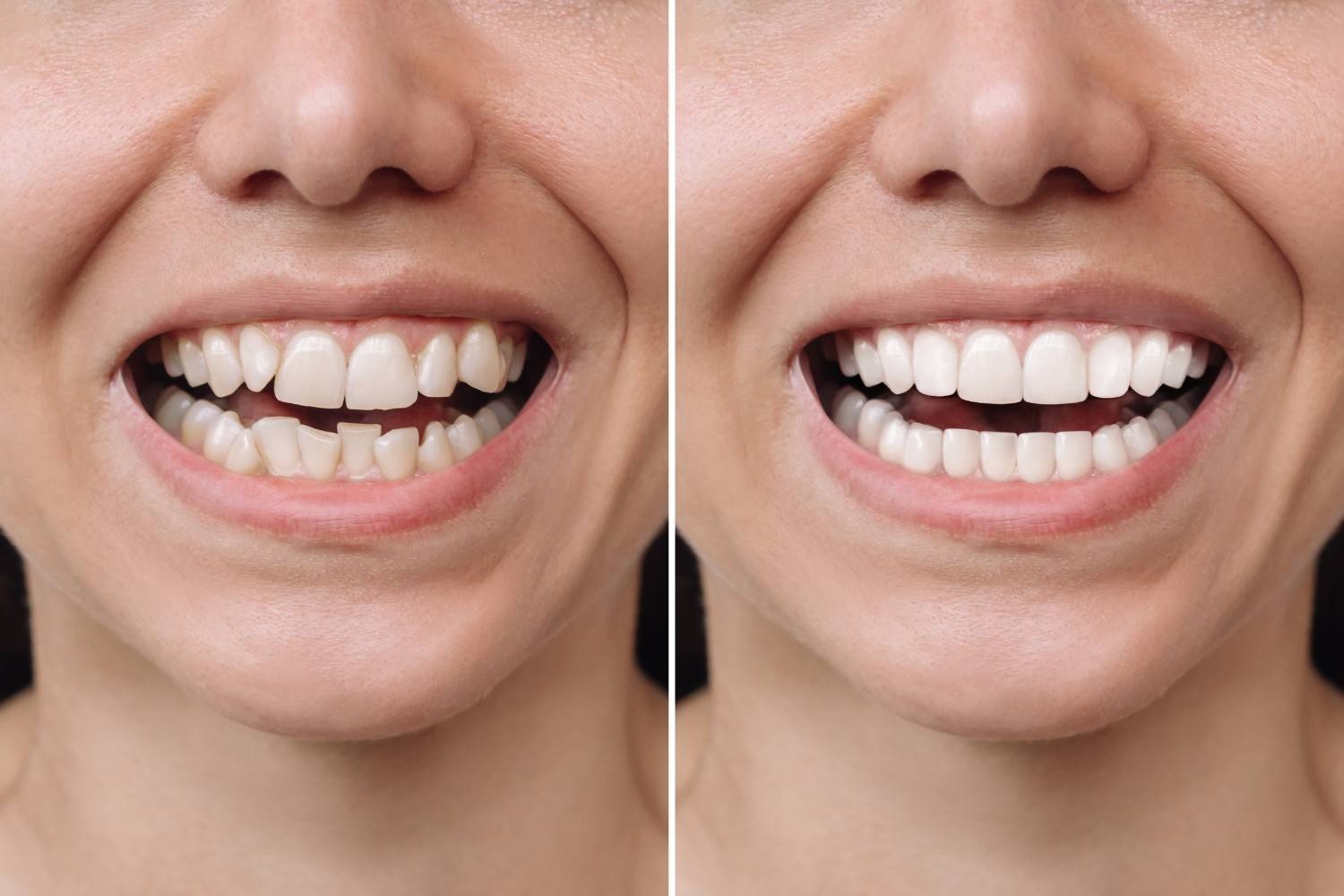
Crooked or Overlapping Teeth
Crooked teeth can occur when there is not enough space for teeth to sit comfortably, when teeth develop or erupt at different angles, or when their position changes over time. You may notice:
• Teeth that overlap or crowd one another
• Twisted or rotated teeth
• Teeth that appear uneven or out of position
Crooked teeth can develop during childhood or become more noticeable in adulthood. In some cases, misalignment can also make certain areas harder to clean.
Why Do Teeth Become Crooked?
Several factors can contribute to crooked or misaligned teeth, including:
• Differences between jaw size and tooth size
• Early loss of baby teeth
• Certain childhood habits, such as prolonged thumb sucking
• Changes in tooth position over time
• Not wearing retainers after orthodontic treatment
Teeth can shift as we grow and age. If you notice a change in your alignment, especially if it affects your bite, comfort or ability to maintain oral hygiene, it is worth having it assessed.
Important : Crooked teeth don’t self-correct, they usually get worse with time.
Can Crooked Teeth Be Fixed?
Yes. At almost any age.
Crooked or misaligned teeth can often be corrected. The appropriate treatment depends on the position of your teeth, your bite and your overall oral health.
Braces and clear aligners are among the treatment options that may be considered, depending on your individual needs.
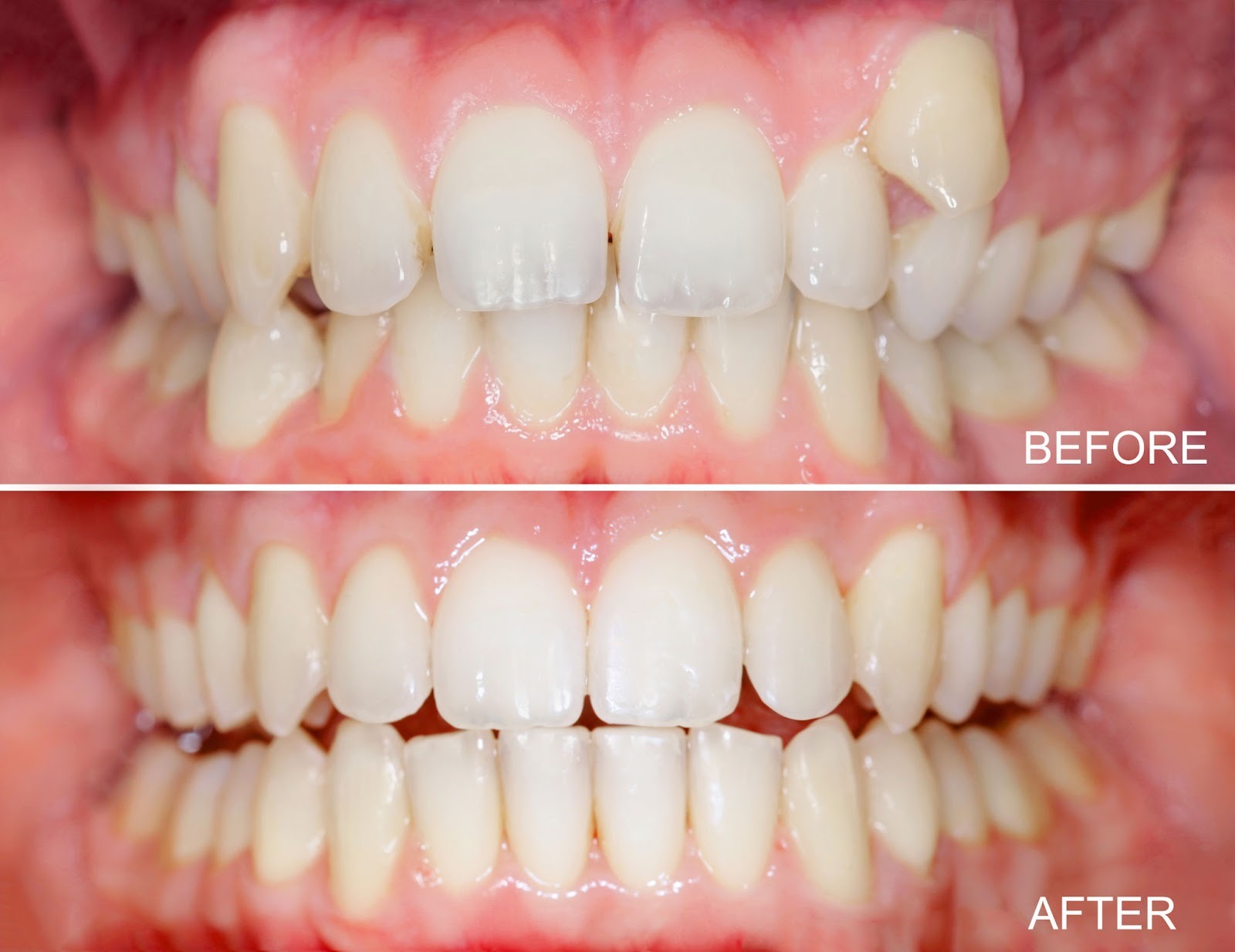
Treatment Options for Misaligned Teeth
Misaligned teeth can often be corrected with orthodontic treatment. Depending on your teeth, bite and treatment needs, options may include:
Traditional Braces
Traditional braces remain an effective option for many types of tooth and bite correction.
- Highly effective
- Best for complex cases
- More visible
Clear Aligners (Most preferred Today)
Clear aligners are a more discreet option for suitable cases and can be removed for eating and oral hygiene.
- Nearly invisible
- Removable
- Easier oral hygiene
- Preferred by adults & professionals
Invisalign aligners are preferred more in recent years, because the treatment fits into lifestyle.
When Should You Consider Teeth Alignment Treatment?
You should consider a consultation if:
- You find it difficult to clean or floss between certain teeth
- Your teeth appear to be shifting over time
- Your teeth have moved after previous orthodontic treatment
- Your bite does not feel comfortable
- You are concerned about crowding, spacing or uneven tooth positions
A consultation does not necessarily mean you need treatment. It can simply help you understand whether the changes you are noticing are part of normal variation or something that may benefit from correction.
Frequently Asked Questions
Is teeth alignment painful?
Teeth alignment treatments today are far more comfortable than people expect. You may feel mild pressure or discomfort for a few days when treatment begins or when adjustments are made, but it is usually manageable and temporary. Modern options like clear aligners are designed to minimize discomfort while gradually moving your teeth.
How long does teeth alignment treatment take?
The duration depends on the complexity of your case. Mild alignment issues can take 6–9 months, while more complex cases may take 12–24 months. Clear aligners often provide a more predictable timeline when worn consistently as advised.
What is the cost of teeth alignment in Hyderabad?
The cost of teeth alignment depends on the treatment approach, the complexity of your case and the type of correction required. A consultation is the best way to understand which treatment is appropriate for you and what it would involve.
Can adults get their teeth aligned?
Yes, teeth alignment is possible at almost any age. Many adults choose clear aligners because they are discreet and fit easily into professional and social lifestyles. Age is not a barrier—oral health and bone condition matter more.
What happens if I don’t fix misaligned teeth?
Leaving teeth misaligned can lead to long-term issues such as difficulty in cleaning, higher risk of cavities and gum disease, uneven wear of teeth, and jaw discomfort. Over time, the problem can become more complex to treat.
45 minutes. Honest assessment. No pressure.