

Full Mouth Rehabilitation in Hyderabad — Rebuilt to Last, Not to Redo
When most or all of your teeth are failing, you don't need a quick fix — you need a plan built on honest engineering. Dr. Spandana Sripada rebuilds complete smiles on as many implant pillars as your bone allows, so the teeth you get are the teeth you keep.
What is Full Mouth Rehabilitation?
A dental implant is the ideal replacement for one missing tooth. But what happens when the problem isn't one tooth — when multiple teeth are rotten, broken, or loose, or all your teeth need replacing, or you've spent years struggling with dentures that never quite fit?
That's full mouth rehabilitation: replacing all the teeth in your upper jaw, lower jaw, or both, on a foundation of dental implants — rebuilding not just how your smile looks, but how you chew, speak, and live.
“In any of these cases, patients will require all of their teeth to be replaced. So this is what is called a full mouth rehabilitation.” — Dr. Spandana Sripada, MDS (Periodontology & Implantology)
It is the most consequential treatment in dentistry — and the one where the difference between a rushed plan and an honest one shows up for the rest of your life. This page explains how we plan it, why we plan it differently from most clinics, and what it costs. Nothing held back.
Do You Need Full Mouth Rehabilitation?
Why Your Bone Decides Everything?
Dental textbooks say a full arch of 12–14 teeth should rest on seven to eight implants. In practice, that's often impossible and the reason is bone.
Your jawbone stays strong only while it's being used. Every time you chew with natural teeth, the roots send pressure signals into the bone that tell it: keep building. When teeth are lost, the signal stops and the bone quietly begins to dissolve. Dentists call it resorption. Three things accelerate it:
- Keeping infected teeth too long, chronic infection eats bone from the inside.
- Leaving gaps unreplaced for years, unused bone is reabsorbed by the body.
- Long-term denture wear, dentures press directly on the jawbone, starving it and speeding up the shrinkage.
“In multiple cases, there may not be enough bone for us to place seven to eight implants. And these are the situations where we try and replace some of your teeth, or most of your teeth, or all of your teeth, as many as your bone will safely allow.” — Dr. Spandana Sripada
This is why no dentist can tell you over the phone which solution you need. Your bone, measured on a CBCT scan at your consultation, decides whether your rebuild rests on four, six, or eight pillars.
And where bone is insufficient, bone grafting can rebuild the foundation first: this is Dr. Spandana's MDS specialisation — gum and bone are her subject.
Led by Dr. Spandana Sripada, AAID Associate Fellow and implantologist with 15+ years of experience, trusted by patients across Hyderabad, India and abroad.
All-on-4
All-on-4 replaces a full arch of teeth — 12 to 14 — on just four implants: two placed straight at the front, two angled at the back. The angled placement uses available bone cleverly, which is why All-on-4 became popular for patients with moderate bone loss: fewer implants, often no grafting, sometimes teeth fixed within days.
- When bone volume can't safely support more implants, even with grafting.
- When medical conditions make longer surgery or grafting unwise.
- When it's honestly the best foundation your anatomy allows — four well-placed pillars beat an over-ambitious plan that fails.
Think of your new teeth as a bridge that will carry heavy traffic — every bite, every day, for decades. The chewing forces on your back teeth are enormous. When a 14-tooth bridge rests on only four pillars, all of that force is borne by four points, with the back teeth levering against them like a diving board.
More load per pillar means more risk to each one and if one implant in an All-on-4 fails, the whole bridge is compromised.
“Here, we try to avoid All-on-4 or All-on-5. We try to stick to our All-on-6s or All-on-8s, so that we can give you teeth which will last you a long time, the prognosis is good, and you will not have to redo this at any given point.” — Dr. Spandana Sripada
So yes, we place All-on-4, and we place it well. But we will never default to it because it's faster to sell. If your bone can hold more pillars, we'll show you why more pillars is the better engineering on your own scan.
All-on-6
All-on-6 supports your full arch on six implants and in our experience, it's the sweet spot where engineering, biology, and budget meet. Two additional pillars over All-on-4 changes the mathematics of every bite: chewing forces spread across six points instead of four, no single implant carries a dangerous share, and the cantilever effect on your back teeth largely disappears.
- Better force distribution — each implant works well within its safe load.
- Better long-term prognosis — the configuration is more forgiving of the decades ahead.
- A margin of safety — the bridge doesn't gamble everything on any single pillar.
For most patients with reasonable bone — or bone we can rebuild with grafting — All-on-6 is what we recommend for a rehabilitation you do once and never again.
It costs more than All-on-4 today. It costs far less than redoing a failed rehabilitation in seven years.
All-on-7 / All-on-8
Seven to eight implants per arch is what the textbooks call ideal for replacing 12–14 teeth — the configuration closest to how nature distributed your original roots. Every implant carries a modest, comfortable load. The bridge above them behaves like natural teeth. This is the strongest foundation dentistry can build.
The honest catch: it demands the most bone. Years of infection, missing teeth, or denture wear often leave too little to place eight implants safely — which is exactly why we assess bone first (Section: Why Your Bone Decides Everything) and why acting sooner always widens your options.
Where your bone allows it — or where grafting can responsibly get you there — All-on-7 or All-on-8 is the rehabilitation we're proudest to build: maximum pillars, maximum prognosis, built once, built for good.
If another clinic has told you that you don't have enough bone for implants at all, that's precisely the case worth a second opinion — bone assessment and grafting are Dr. Spandana's MDS specialisation, and “not enough bone” is often the beginning of the plan, not the end of it.
| All-on-4 | All-on-6 | All-on-7/8 | |
|---|---|---|---|
| Implants per arch | 4 | 6 | 7–8 |
| Force per pillar | Highest | Moderate | Lowest — closest to natural |
| Bone required | Least | Moderate | Most (grafting may help) |
| Long-term prognosis | Good when bone-limited | Very good — our usual recommendation | Excellent — textbook ideal |
| Best suited for | Limited bone; medical constraints | Most patients | Good bone, or bone we can rebuild |
The honest answer to "which one?" is: the one your bone supports and your life requires. That's not a website decision it's a CBCT scan decision, made together, with every option and its price on the table in writing.
“
Get your answer in one visit — scan, honest assessment, written plan.
Patient Stories
Hear directly from our patients about their implant experience, in their own words, from their first consultation to the smile they walked away with.
Dr. Spandana's Dentistry - Heartfelt Testimonials
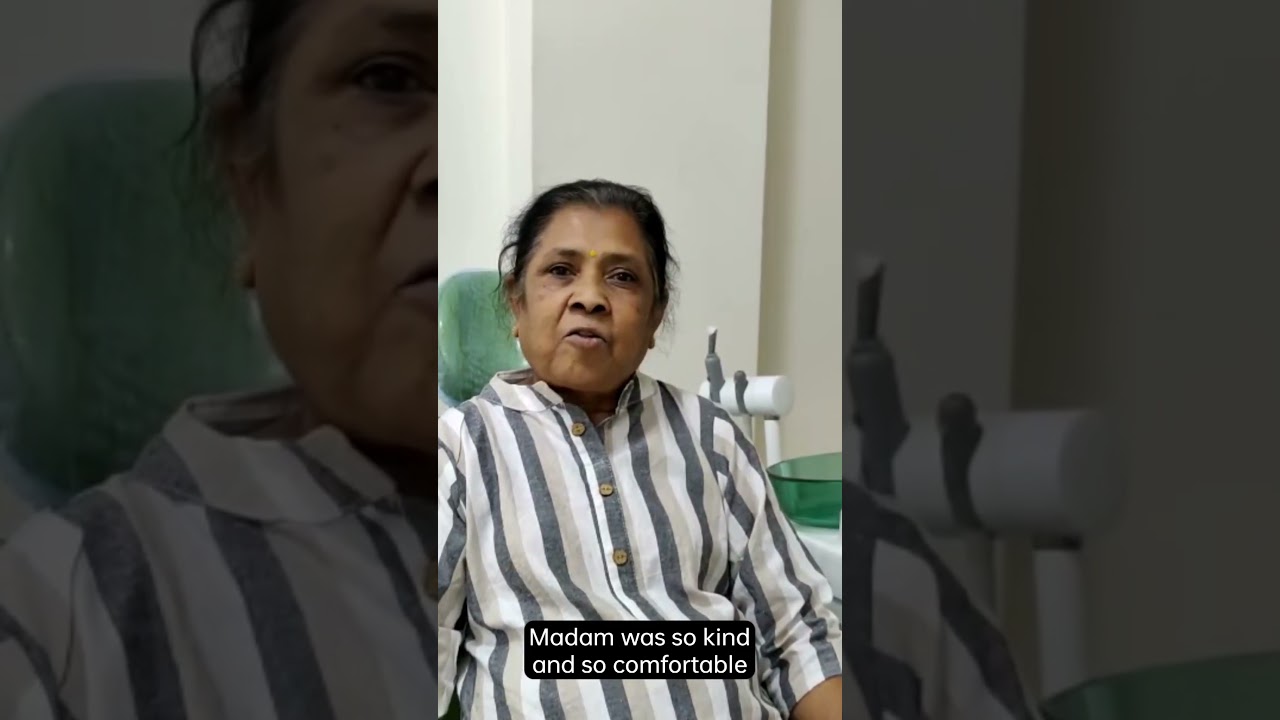
0:54
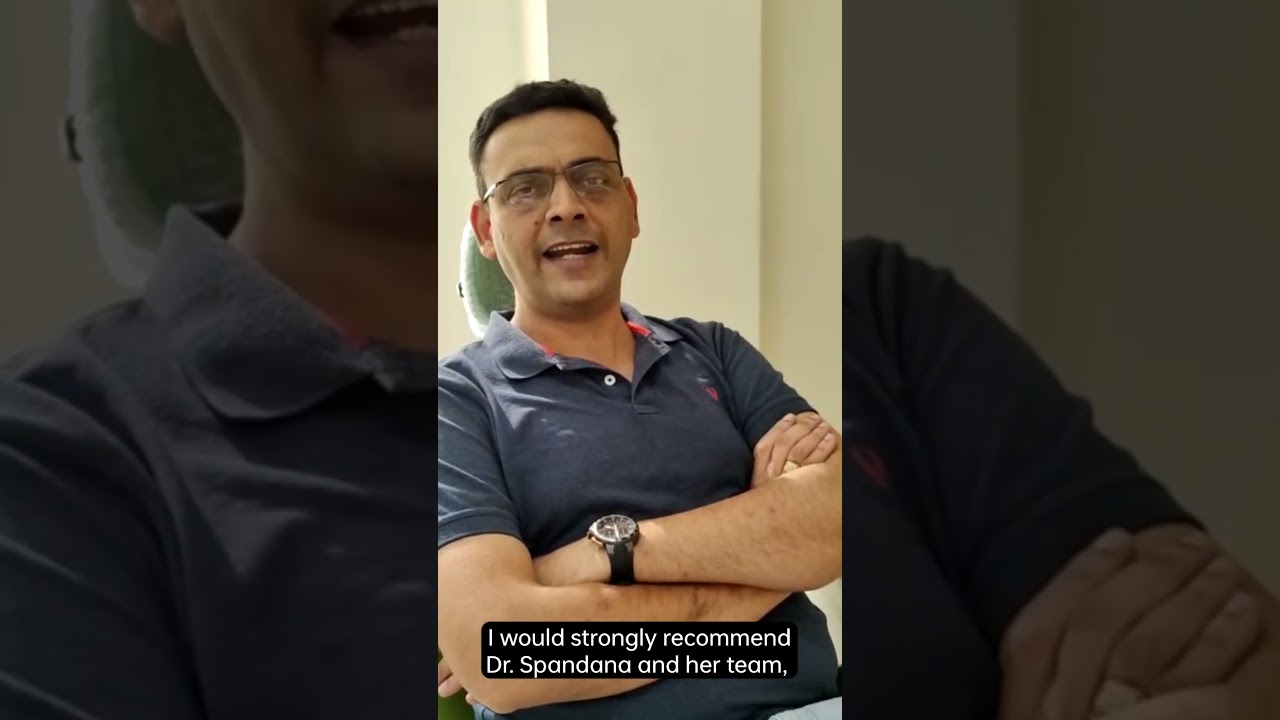
0:44
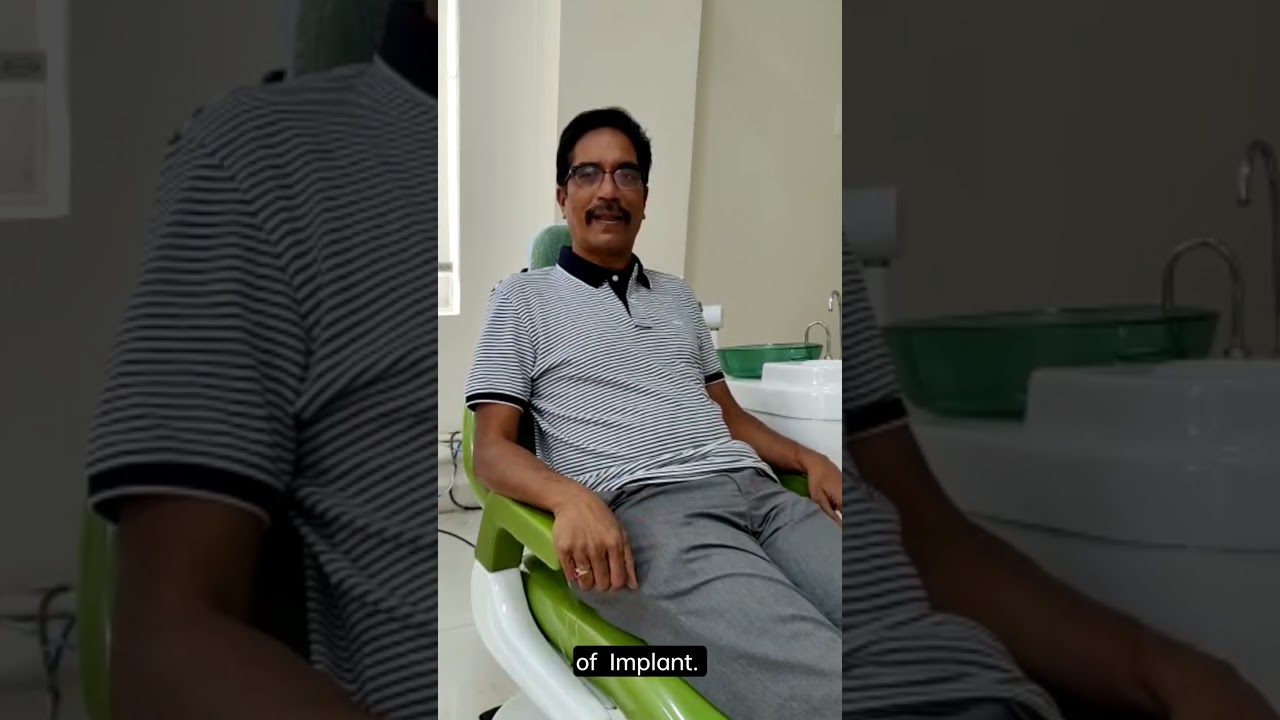
0:59
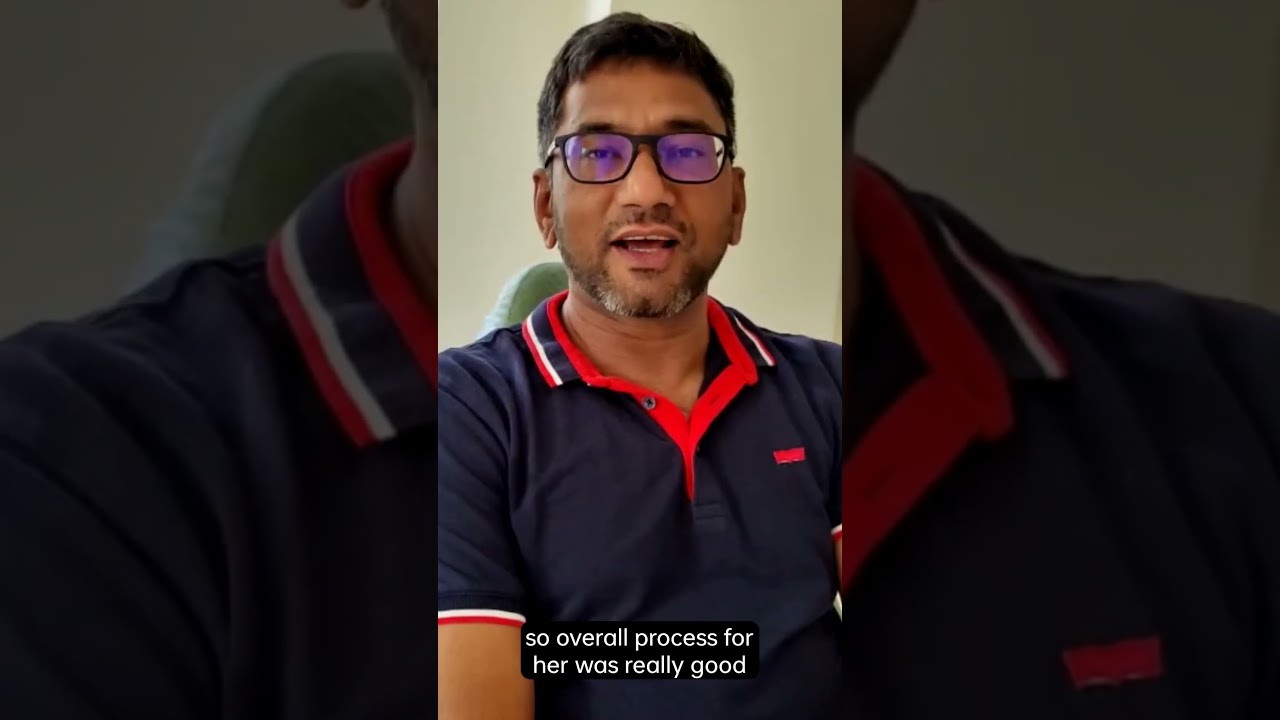
0:58

- BDS – DY Patil Dental University, Mumbai
- MDS, Periodontology & Implantology – Dr. NTR University of Health Sciences, Hyderabad
- Advanced Educational Program in Implant Dentistry (Full-Time Residency) – DY Patil Dental University, Pune
Across 10+ years of practice in Mumbai, Pune, Bangalore, and Hyderabad, she has treated thousands of patients with a reputation for one thing above all others: she will tell you the truth about what your mouth actually needs, not what would pay her more.
If you are considering significant dental work, this is the conversation that should happen before you book a flight.
“
Get your answer in one visit — scan, honest assessment, written plan.
Recovery & Aftercare
Most patients are surprised by how manageable recovery is: a few days of swelling and soft foods after placement, routine pain relief, and normal life within the week. During osseointegration you'll eat carefully but comfortably; once your final bridge is fitted, you eat everything.
Your new teeth are cared for like natural ones — brushing, interdental cleaning, and six-monthly reviews where we check the bridge, the implants, and the gums around them. We'll teach you the specifics before you leave, and we're one WhatsApp message away for anything in between.
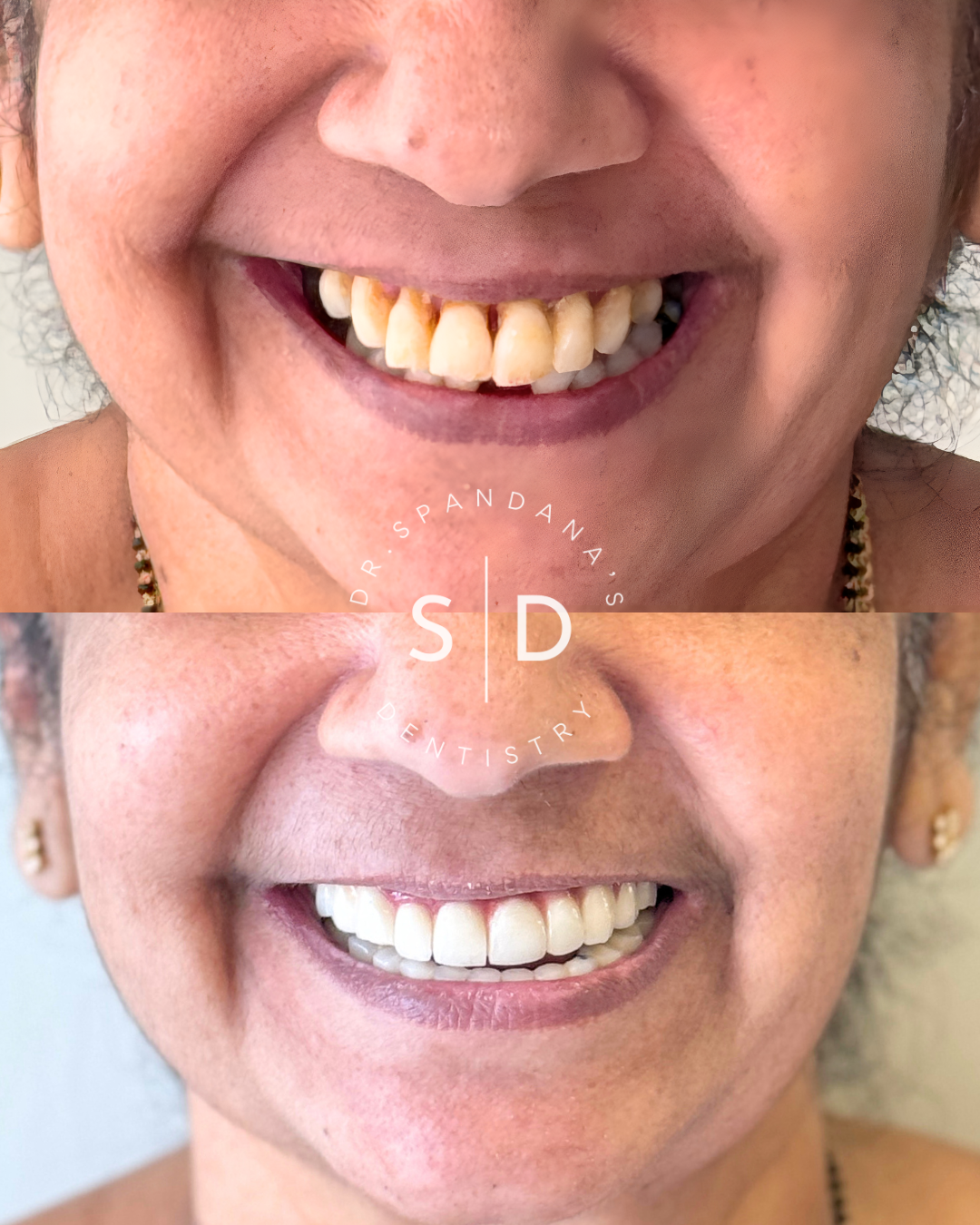
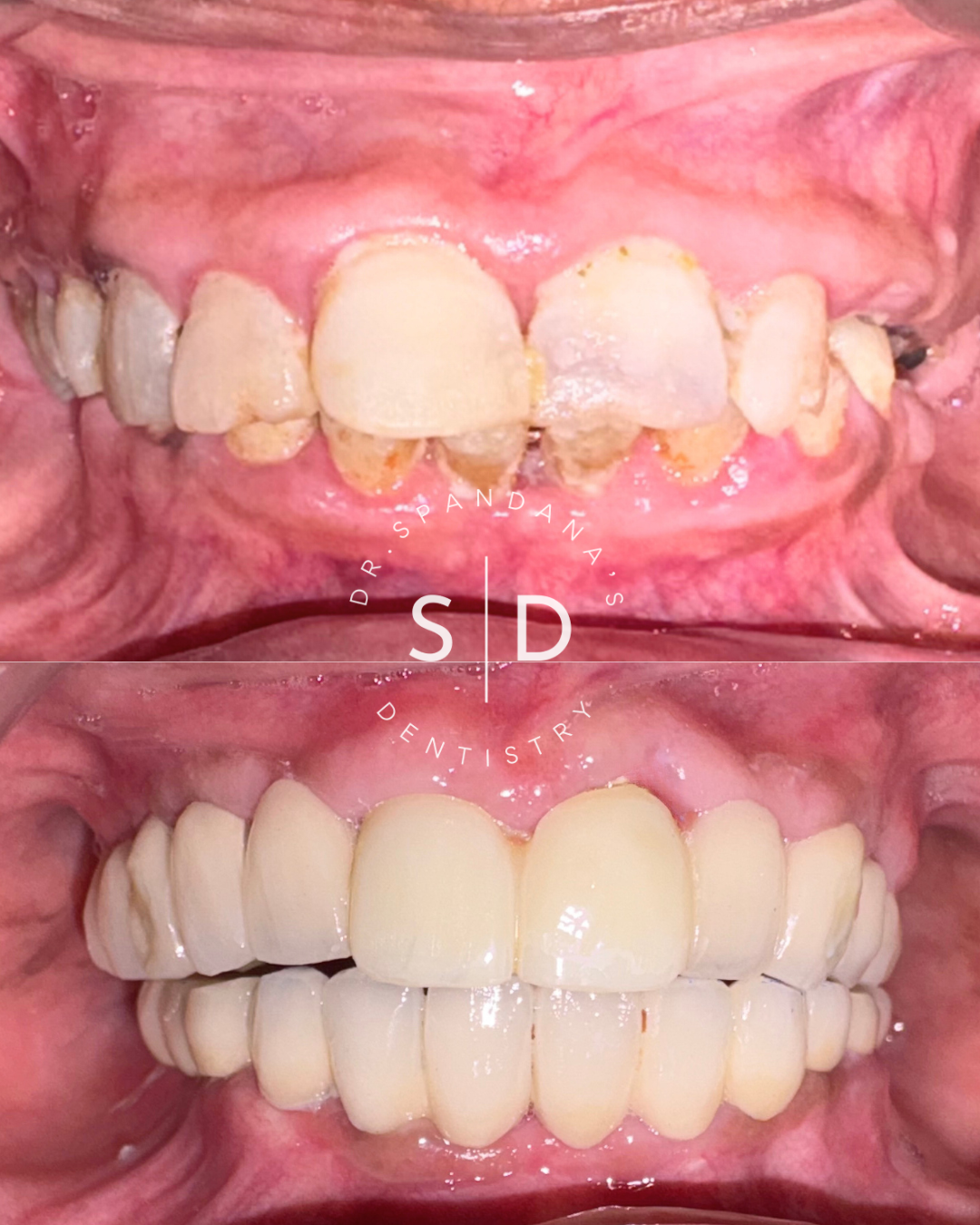
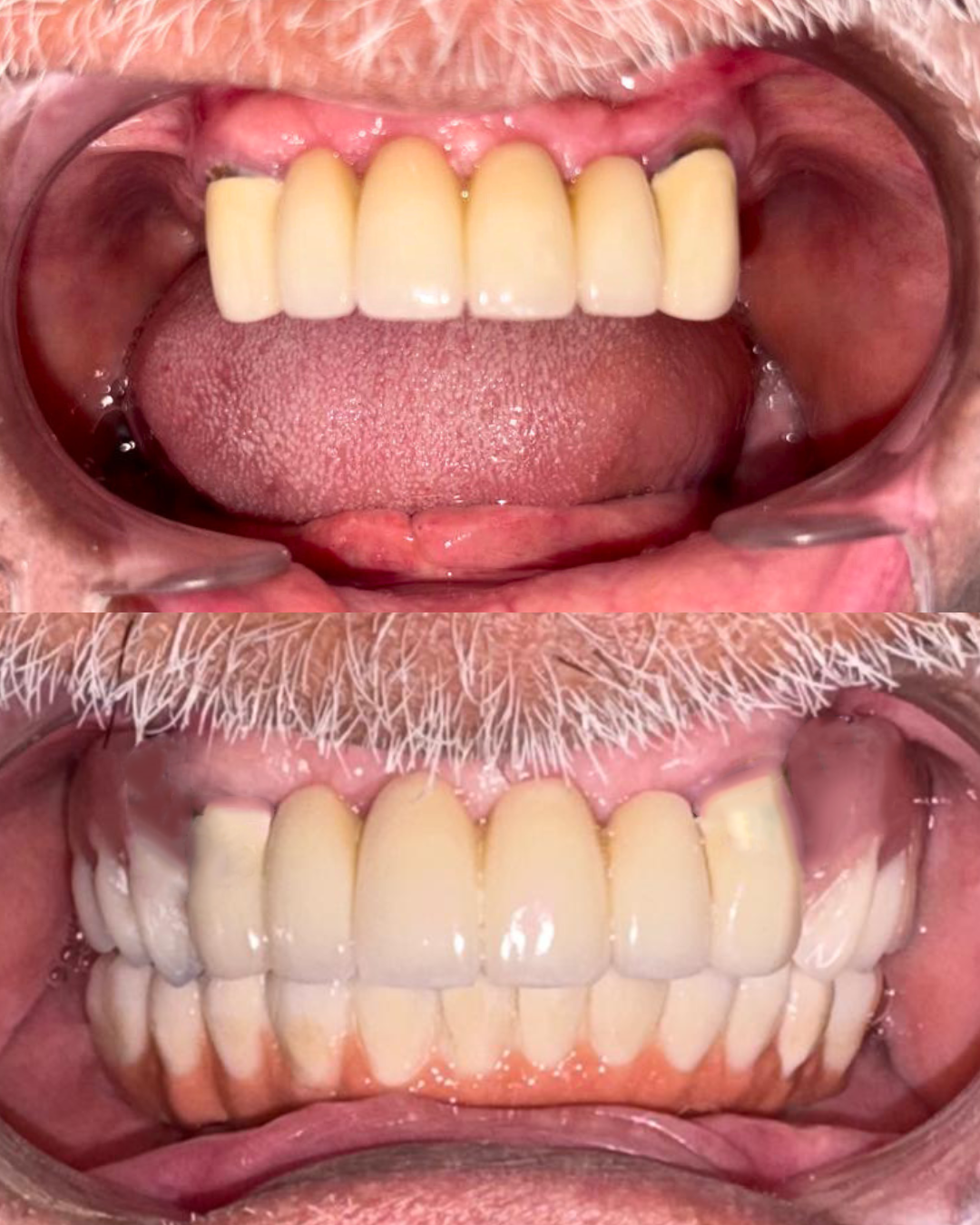
Before & After Results


FAQs
How many implants do I need to replace all my teeth?
Textbook ideal is 7–8 per arch; the honest answer depends on your bone. We place as many pillars as your bone safely allows — four at minimum, eight where possible — because more pillars means better force distribution and a longer-lasting result. A CBCT scan at your consultation gives your exact number.
Is All-on-4 good or bad?
Neither — it’s situational. All-on-4 is genuinely right when bone is limited or medical factors rule out longer surgery. But when bone allows more implants, we recommend All-on-6 or All-on-8: the chewing load spreads across more pillars and the prognosis improves. We’ll show you the difference on your own scan.
How long does full mouth rehabilitation take?
Typically 3–6 months from placement to final bridge, most of it quiet healing time. In suitable cases you receive fixed temporary teeth on the day of surgery, so you’re never without teeth during healing.
Is the procedure painful?
Placement is done under local anaesthesia — you feel pressure, not pain. Post-surgical soreness is managed with routine medication and settles within days. If dental anxiety is part of your story, tell us: preparing you emotionally before we begin is how we practise, not an extra.
What if I've been told I don't have enough bone?
That’s the case we most want to see. Bone assessment and grafting are Dr. Spandana’s MDS specialisation, and ‘not enough bone’ is often the start of a plan — grafting first, implants after — rather than the end of one. Bring your reports for a second opinion.
How long will my new teeth last?
Built on enough pillars and cared for with normal hygiene and six-monthly reviews, a full mouth rehabilitation is designed to last decades. Foundation quality is precisely why we argue for more implants where your bone allows.
What is the cost of full mouth dental implants in Hyderabad?
Starting figures by configuration are usually starts with 4lacs and it depends on bone, system, and grafting. After your consultation you receive the complete figure in writing — no hidden additions, and the price doesn’t move after treatment starts.
Can I get this done in one trip from abroad?
Usually two visits: placement on the first, final bridge after healing on the second, with virtual consultations before and between. Our dental tourism page [LINK → /international-dental-tourism/] explains scheduling, stay, and remote follow-up for NRI and international patients.
Full mouth rehabilitation vs dentures which is better?
Dentures rest on your gums, move while eating, and quietly accelerate bone loss underneath. Implant-supported teeth are fixed, function like natural teeth, and preserve your bone. Dentures cost less today; implants cost less per decade of comfortable use.
Do you replace teeth in both jaws at once?
We can, where health and bone allow — many patients prefer one surgical phase and one recovery. Whether simultaneous or staged is a planning decision we make together, with the trade-offs explained.
A dental implants is not just a tooth. It is your confidence to smile, eat and speak freely for the rest of your life. At Dr.Spandana’s Dentistry, we only recommend an implant when it is genuinely the right answer for your tooth, and once it is, your journey is planned without rushing, performed with expertise, and followed up on for as long as you need us.