
Costs, treatment time, attachments, refinements, and the daily discipline that makes or breaks the result. Everything you actually need to know before deciding.
Invisalign is a series of clear, removable plastic aligners that gradually shift your teeth into position. Each tray is worn for one to two weeks before being replaced by the next in the sequence. Aligners must be worn 20 to 22 hours a day for treatment to work as planned. Typical Invisalign cost in Hyderabad: ₹80,000 to ₹3,50,000 per arch, depending on case complexity and what is included in the quote. Typical treatment time: 6 to 18 months for most cases. Invisalign suits mild to moderate alignment cases, working professionals who want discretion, and patients comfortable with the daily wear discipline.
Invisalign is a clear aligner system manufactured by Align Technology in San Jose, California. It was approved by the US FDA in 1998 and has been used to straighten over 15 million smiles worldwide. The system uses a series of custom-made transparent plastic trays that fit snugly over your teeth and apply gentle, programmed pressure to move them into position over time.
Each tray represents one small step in the plan. Your dentist designs the full sequence digitally before treatment starts, using a 3D scan of your teeth. You wear each tray for one to two weeks, then switch to the next in the series. The trays are nearly invisible from a normal social distance, removable for eating and brushing, and made of medical-grade BPA-free plastic.
That is the technical answer. The honest answer is that Invisalign works extraordinarily well for the right patient, and not well at all for the wrong one. Most clinic websites will not tell you which is which. We will.
Crowding, gaps, mild rotations, and minor bite issues. Invisalign delivers excellent results for these cases, often within 6 to 12 months.
Ideal for people in client meetings, social environments, or on-camera situations where visible braces may feel uncomfortable.
This is essential for successful treatment. Aligners only work when consistently worn.
Since trays trap moisture and food residue, strong brushing and flossing habits are necessary during treatment.
You’ll need to change trays on schedule, wear them consistently, and maintain cleanliness throughout treatment.
Severe crowding, major bite corrections, deep overbites, or significant rotations may respond better to traditional braces.
If remembering to wear trays after meals or coffee feels difficult, fixed braces may be a more reliable option.
Invisalign Teen works well only when trays are worn consistently. This is evaluated honestly during consultation.
We sit down with you before we examine anything. We want to understand what brings you in, what bothers you about your smile, what your daily life looks like, and any concerns you carry.
A digital scanner builds a precise three-dimensional model of your teeth and bite. No messy putty impressions. The scan takes about ten minutes.
Your dentist designs the full movement sequence and a digital simulation of your final smile before any aligner is made.
Align Technology manufactures your custom trays. This typically takes two to three weeks.
Small tooth-coloured composite attachments help the aligners apply precise forces during treatment.
Wear your aligners 20–22 hours daily and switch trays every one to two weeks as instructed.
Short review visits help confirm your teeth are tracking correctly and allow early adjustments if needed.
Many patients require refinement aligners to fine-tune the final result and achieve greater precision.
Once treatment is complete, attachments are removed and retainers are fitted to maintain your final result.
These are the two parts of Invisalign treatment that most clinic pages skip entirely. Patients learn about them on the day they appear in the chair, which is too late to think them through. Here is what they actually are.
Attachments. Small tooth-coloured composite bumps bonded onto specific teeth. They look like tiny dots of filling material, about the size of a grain of rice. Their job is to give the clear aligner trays better grip on harder-to-move teeth, especially those that need rotation or vertical movement. Not every patient needs them. Most do. They are removed cleanly at the end of treatment.
IPR (Interproximal Reduction). Controlled, very thin polishing of the enamel between specific teeth. The amount removed is measured in fractions of a millimetre, planned digitally before treatment starts, and stays well within safe limits. IPR creates space for teeth to slide past each other into their final positions. It is painless, takes minutes, and is the difference between a clean result and a crowded compromise.
Both attachments and IPR are routine, planned, and clinically important. If your treatment plan includes them, that is a sign the plan is being designed thoughtfully, not a sign something is wrong.
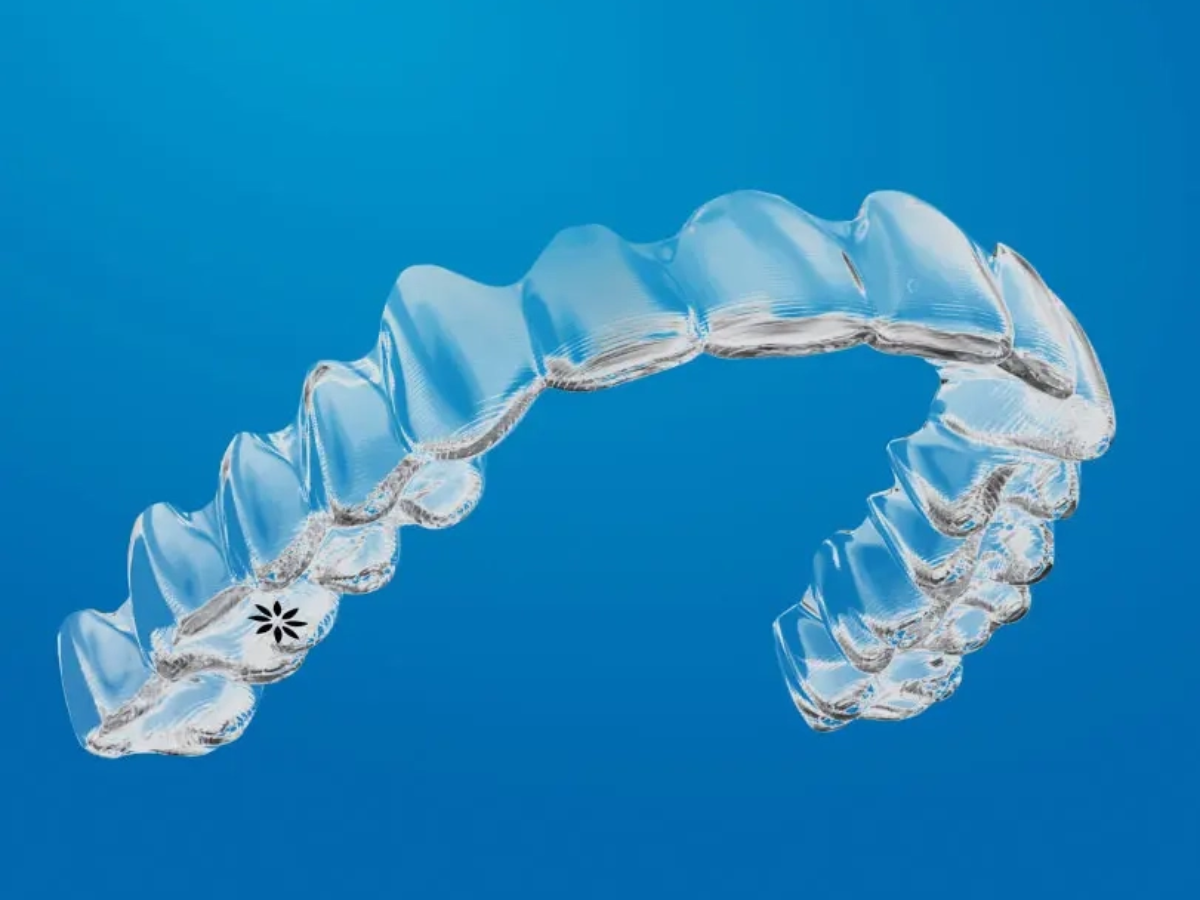
Best for mild to moderate cases, professionals, and patients looking for a discreet treatment option.
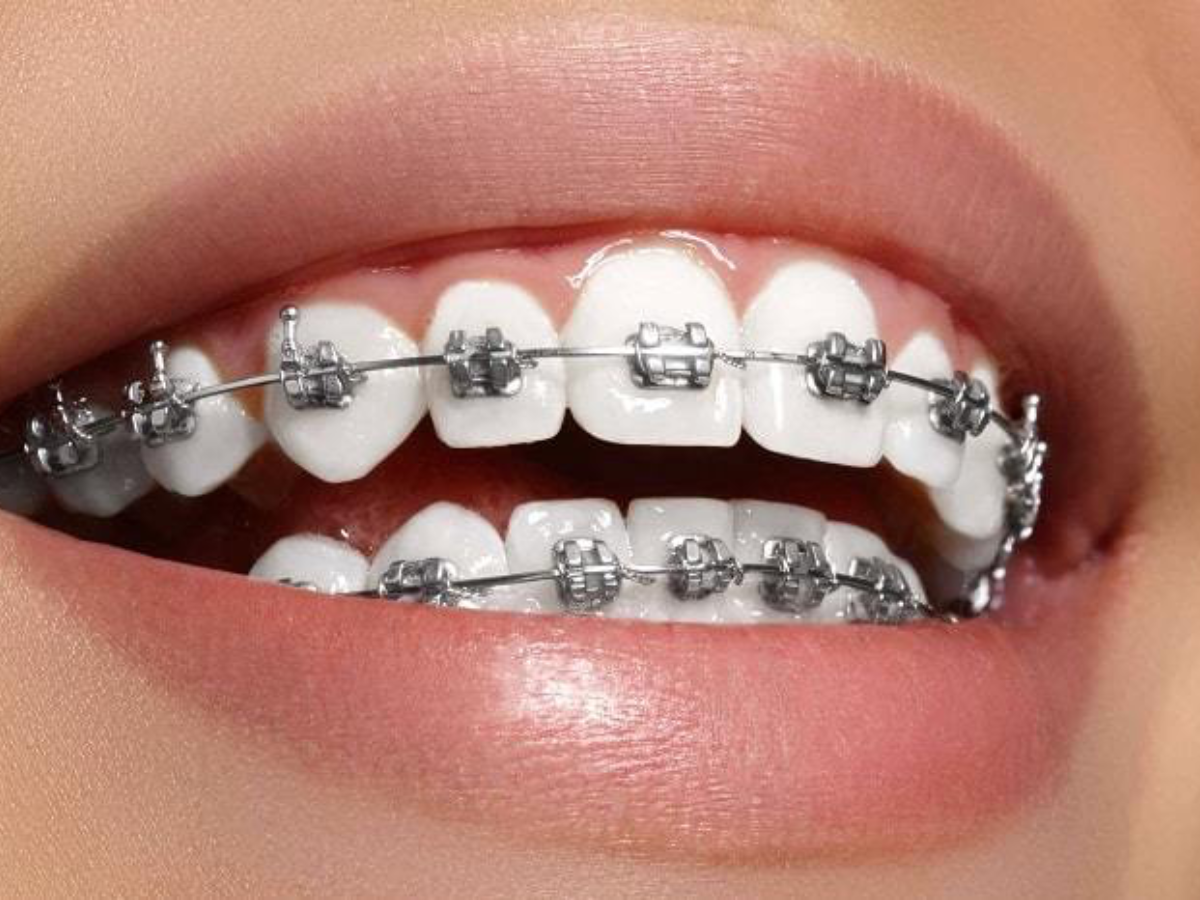
Best for complex orthodontic cases or patients wanting a fixed treatment that works continuously.
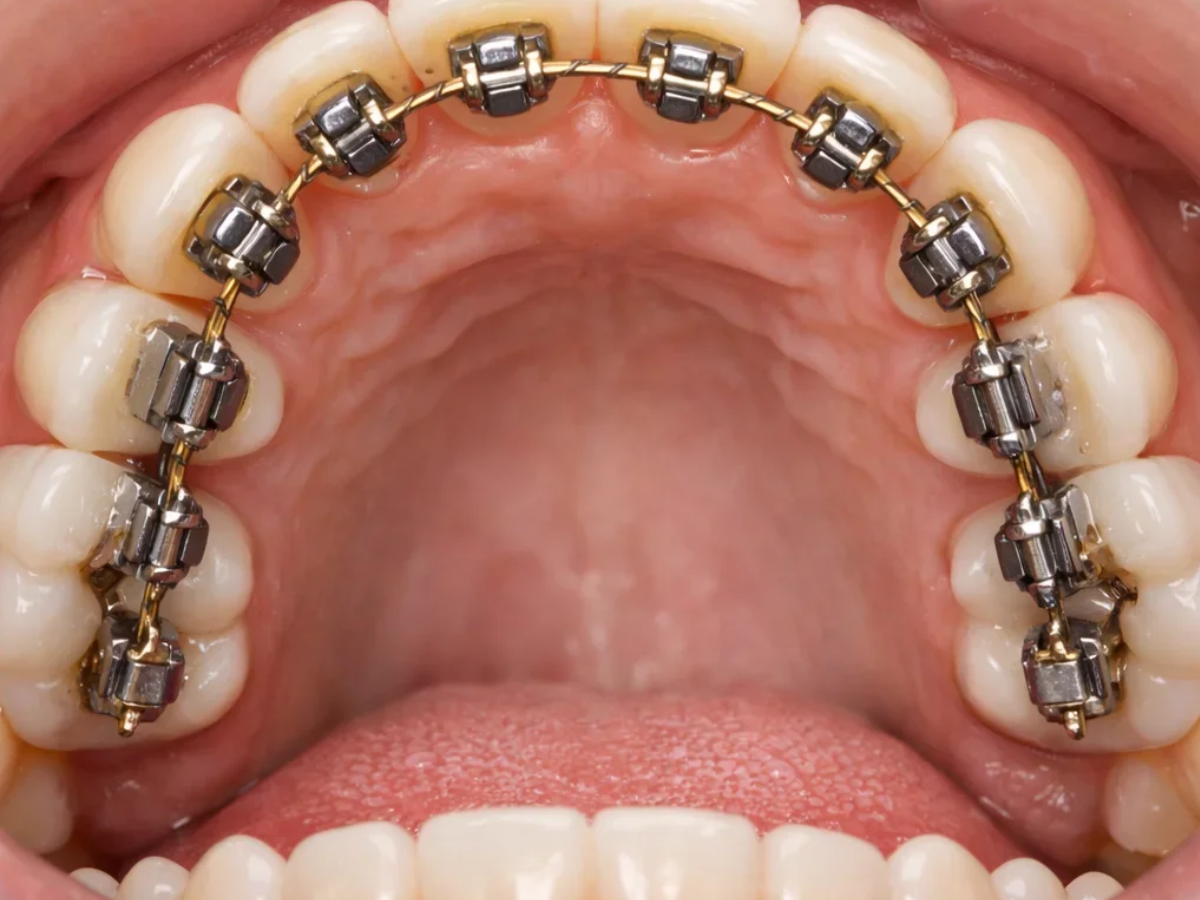
Suitable for moderate to complex cases where invisibility from the front is the highest priority.
Take aligners out, brush, floss, clean the trays with a soft toothbrush and cool water, then put them back in immediately after breakfast.
Water is fine with trays in. Coffee, tea, juice, hot drinks, or coloured beverages require tray removal. This is where most patients underestimate the discipline involved.
Remove trays before eating. After meals, brush or rinse before putting them back in to avoid food trapping and cavity risk.
A slight lisp is common for the first few days while your tongue adjusts. It usually disappears completely within three to five days.
Each new tray can create mild pressure or tenderness for one to two days. Many patients switch trays at night so the soreness happens while sleeping.
Carry your current tray, the next two trays, and a copy of your treatment plan. Invisalign is generally easier to travel with than fixed braces.
Aligners act like a light mouth guard for non-contact sports. For weddings, meetings, or photographs, they remain nearly invisible.
The 20 to 22 hour figure is not negotiable. If you take trays out for an hour and a half at lunch, two hours for an evening with friends, an hour for coffee, you have not worn them for 17.5 hours that day. Across weeks of this, teeth do not track the plan, refinements stack up, and treatment runs longer. Honest reporting from us: this is the single biggest reason Invisalign treatments take longer than the original estimate.
Mild cases requiring fewer aligners cost less. Complex cases needing extensive movement and more trays cost significantly more. This is the largest single pricing factor.
A 14-tray case is very different from a 40-tray case. More trays usually mean longer treatment and higher cost.
Most patients treat both upper and lower teeth together. Single-arch treatment generally costs roughly half.
A complete quote should include scans, treatment planning, photographs, X-rays, aligners, attachments, IPR if planned, check-ups, refinements, and retainers.
Many clinics charge separately for refinement trays at the end. We include them upfront because refinements are a normal part of aligner treatment.
Vivera retainers cost more than standard removable retainers, though both are clinically effective options for maintaining results.
The most common mistake patients make when comparing quotes is comparing only the headline number. A ₹1,20,000 quote that excludes refinements and retainers is not necessarily cheaper than a ₹1,50,000 quote that includes them. Ask for every detail in writing before deciding.
Before we look at your teeth, we ask what brings you in, what bothers you about your smile or bite, and what you may have tried before. The practical details matter here — your work, travel, daily routine, coffee habits, and whether wearing aligners for 20–22 hours a day realistically fits your lifestyle. These conversations shape the Invisalign decision more than the scan itself.
We take photographs, X-rays, and perform a clinical assessment of your teeth and bite. A digital scan creates a precise 3D model of your teeth. For most patients, we can also show a digital preview of the expected final result during the same visit.
Once we review the findings, we sit down again and explain everything in plain language. If Invisalign is the right fit, we tell you honestly. If another option such as metal braces, ceramic braces, or lingual braces would work better, we will tell you that too — even if you specifically came in asking for Invisalign. You leave with written costs, timelines, and every inclusion listed clearly.
There is no pressure to decide on the same day. Take your time, think through the plan, and ask questions afterwards if needed. When you are ready to begin, we are ready.
Invisalign in Hyderabad typically costs ₹80,000 to ₹3,50,000 per arch at our clinic. Final cost depends on case complexity, number of aligners, and what is included in the quote. We provide a written estimate with every inclusion listed clearly (scans, X-rays, all aligners, attachments, IPR if needed, all check-ups, refinements, and retainer). No surprise costs at the end.
Mild cases finish in 6 to 12 months. Moderate cases take 12 to 18 months. Complex cases may take 18 to 24 months. The biggest single factor influencing your timeline is wear consistency. Aligners must be worn 20 to 22 hours daily for treatment to track on schedule.
Different, not better. Invisalign suits mild to moderate cases, working professionals who want discretion, and patients comfortable with daily wear discipline. Traditional braces (metal or ceramic) suit complex cases, patients who prefer fixed treatment that works without daily discipline, or tighter budgets. The right choice depends on your specific case and life, not on which is generally “better.”
Invisalign causes mild pressure or tenderness for one to two days when you switch to each new tray. Most patients describe it as awareness rather than pain. It is generally less uncomfortable than fixed braces because the force is gentler and more gradual. Switching trays at night, so the soreness occurs while you sleep, helps.
20 to 22 hours a day. This is a requirement, not a recommendation. The aligners only work when they are in your mouth. Trays come out only for meals, drinking anything other than water, and brushing. Inconsistent wear is the single most common reason Invisalign treatment runs longer than planned.
Not while wearing them. Hot drinks can warp the plastic, and coloured drinks (coffee, tea, red wine, juice) will stain the aligners and trap pigment against your teeth. You can drink water freely with the trays in. For other drinks, take the trays out, then rinse or brush before putting them back.
Attachments are small tooth-coloured composite bumps bonded to specific teeth to give the aligners better grip. They are removed cleanly at the end of treatment. IPR (Interproximal Reduction) is a controlled, very thin polishing of enamel between specific teeth to create space for movement. Both are routine, planned in advance, and not a sign anything is wrong.
Refinements are short additional series of aligners ordered near the end of treatment to fine-tune the final result. Roughly two in three patients need at least one refinement round. This is normal, expected, and not a failure of the original treatment. At our clinic, refinement aligners are included in your original cost up to a stated number of rounds, listed in writing in your quote.
Sometimes, but not always. Mild to moderate bite issues respond well to Invisalign. Severe overbites, underbites, or significant rotations often need traditional braces, sometimes combined with elastics or other auxiliaries. We tell you honestly during consultation whether your case falls within Invisalign’s effective range.
Yes. After active treatment ends, your teeth will try to drift back toward their original position for several months while the surrounding bone settles. A retainer holds them in place. We supply and fit your retainer as part of your treatment and explain the wear schedule clearly. Skipping retainer wear is the most common reason teeth shift back after orthodontic treatment of any kind.
Get the smile you’ve always wanted, without anyone noticing that’s the magic of Invisible Aligners.
